
We can help you ensure that your fire protection systems are operating efficiently through our maintenance services. Leveraging our strong network of professional service providers, Synchro creates and manages contracts that provide third-party fire protection system maintenance. In addition to maintenance, our services cover rectification work.
Aim to provide both commercial and residential property owners and landlords peace of mind regarding their property’s safety. The technicians we work with perform inspections, maintaining code, and regulatory compliance with Dubai Civil Defense Safety Codes.
Whether it’s a common fault such as a ground or power failure, dying smoke alarms, or a rusty sprinkling system. Dubai Civil Defense approved suppliers and vendors, Synchro can work as a liaison providing full support and maintenance services. We have streamlined our processes to provide you with a complete solution for your fire system. Regular, periodic inspection and prompt maintenance will help you put up a strong defense against fire hazards while sustaining business continuity and the safety of your home.
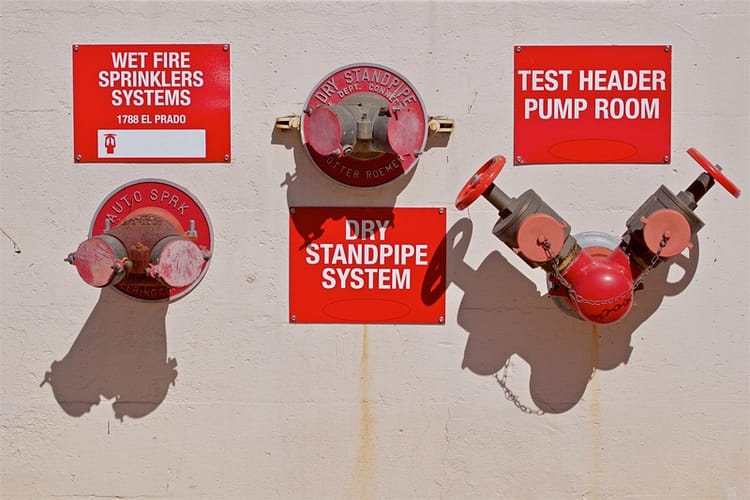
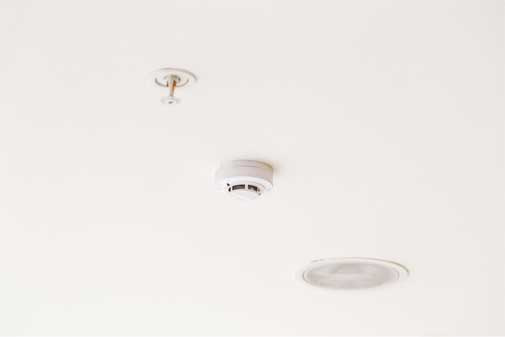
You’ve probably seen these in every building you’ve walked into. Those little sprinkler heads on the ceiling that you hope never go off. Wet sprinkler systems keep water in the pipes at all times, ready to go. When the heat reaches a certain level, the sprinkler activates on the spot.
No complicated triggers, no waiting around. They’re simple, reliable, and they’ve been saving buildings for over a century. We install and maintain these systems across Dubai, handling design and ensuring everything meets civil defense codes. Not the most exciting tech out there, but it works.
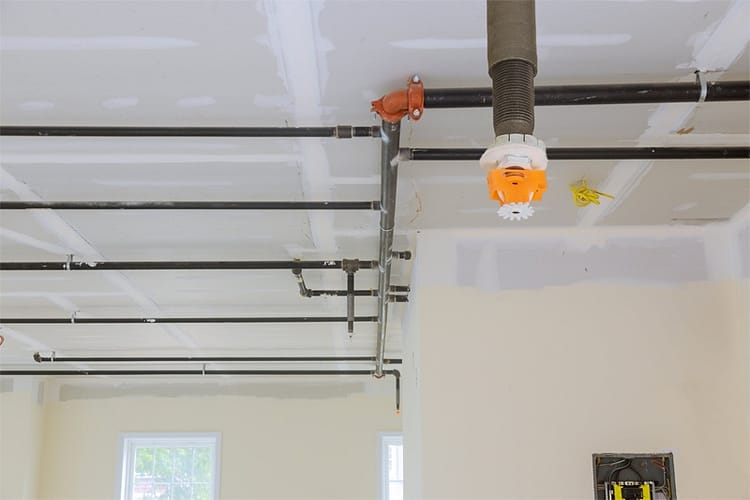
So what happens when you can’t keep water sitting in the pipes? Cold storage units, parking garages, and warehouses that lack climate control. Water in those pipes would freeze or cause problems. Dry pipe systems address this by keeping the pipes filled with pressurized air.
Water enters the system when a fire actually triggers it. A bit slower to activate than wet systems, sure, but that’s the tradeoff for not dealing with frozen or burst pipes. We set these up for facilities where standard sprinklers just aren’t practical. Different buildings need different solutions.
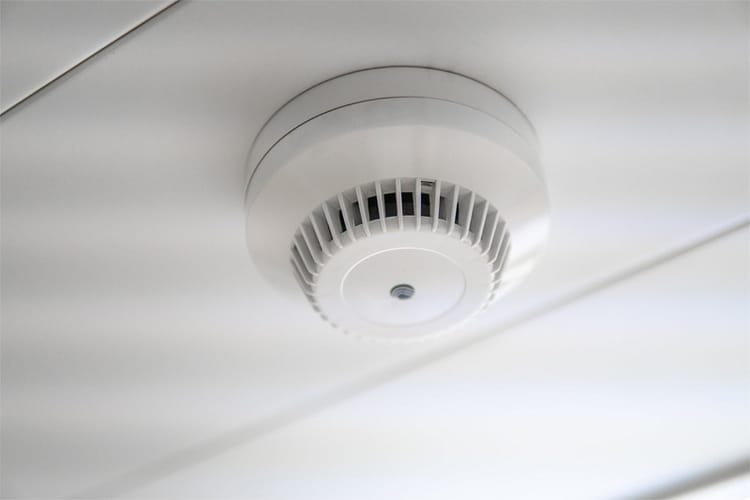
Smoke detector beeping at 3 am because the battery’s dying? Annoying. But a proper fire alarm system? That’s different. We’re talking interconnected detectors, heat sensors, manual pull stations, and a central panel that tells you exactly where the problem is.
Not just “there’s smoke somewhere.” Building managers need to know which floor and which zone. In the UAE, civil defense has specific requirements you must meet. We handle the installation and ensure you’re compliant, because a violation notice is almost as bad as the fire itself. Almost.
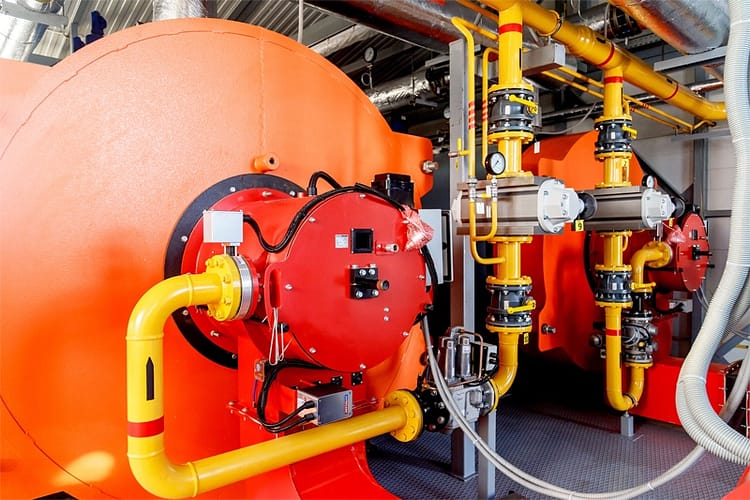
Here’s something people don’t think about. Your sprinkler system needs water pressure to actually work. If you’re in a high-rise or a large facility, the city water supply might not cut it. That’s where fire pumps come in.
They boost pressure, so water actually reaches where it needs to go with enough force to do something useful. The controllers monitor everything automatically and kick the pumps on when needed. We size these based on your building’s requirements. Too small and you’ve got a problem. We make sure that doesn’t happen.
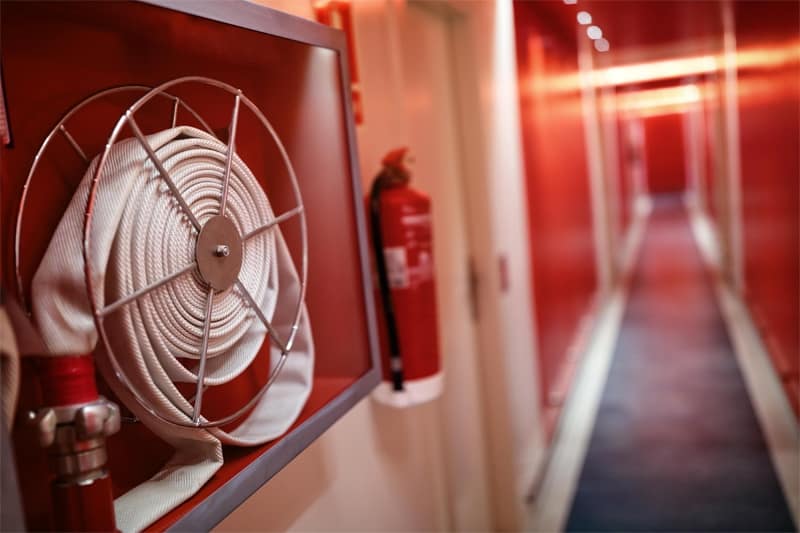
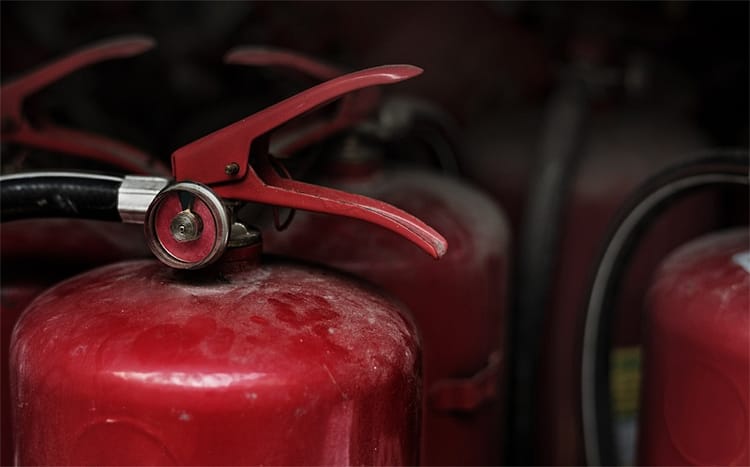
Extinguishers. Hose reels. Fire blankets. The stuff you see mounted on walls and tucked into cabinets. Most people walk past them every day without thinking about it. But when a small fire breaks out, this is your first line of defense before the sprinklers kick in or the fire department arrives.
Different fires need different extinguishers, too. Electrical fires, kitchen fires, chemical fires. We supply the right equipment for your specific situation and handle the regular inspections and refills because an expired extinguisher is basically a decoration.
Water ruins electronics. That’s a problem when you’re protecting a server room or data center. And for facilities storing flammable liquids, water can actually spread the fire instead of stopping it. Foam systems work by smothering fires and depriving them of oxygen.
Gas-based systems displace oxygen without leaving residue on your equipment. We look at what you’re actually protecting and recommend accordingly. These aren’t cheap systems to install, but neither is replacing a room full of servers or dealing with a chemical fire that got out of control.